Last updated Jul 2, 2026
Planning a move in the South Sound takes timing. Closing dates, apartment lease expirations, dorm move-outs, renovation schedules, and moving-truck availability do not always line up cleanly. A storage unit can help bridge those gaps, but availability can change quickly depending on the season.
In Tacoma, storage demand often rises when military moves, student transitions, and the general summer moving season overlap. The best time to reserve depends on when you need the unit, what size you want, and whether you are looking for specific features such as heated storage, drive-up access, elevator access, or outdoor parking.
This guide explains when to start comparing storage options in Tacoma, what seasonal demand looks like, and how to plan ahead without relying on unsupported availability guarantees.
Storage availability is not the same all year. Spring and summer tend to be busier because more people are moving, students are leaving campus housing, and military households may be managing relocation timelines. Larger units and convenient access types can be harder to find when many customers are searching at the same time.
Tacoma also has a wide mix of storage needs. Renters may need a unit between leases. Homeowners may need space during a renovation. Students may need short-term storage during school breaks. Military households near Joint Base Lewis-McChord may need flexibility around orders, deployments, or housing transitions.
Because of that, it is usually smart to start looking earlier when your move date is fixed, your storage needs are specific, or your timeline falls during a busy season.
Military moves can create seasonal storage demand across the Tacoma area. Families near Joint Base Lewis-McChord may need storage during Permanent Change of Station timelines, deployments, temporary housing, or delayed move-in dates.
For military households, flexibility is often more important than choosing a long-term arrangement. Month-to-month leases can help when plans change, and practical access hours can make move-in and retrieval easier to schedule.
If you are planning around military orders, start comparing storage options as soon as your timeline becomes clear. For official moving requirements, reimbursement rules, or documentation needs, check current military guidance directly and keep your paperwork organized.
Late spring and early summer can also bring more student storage demand. Pacific Lutheran University lists traditional residence halls closing for spring semester on May 22 in its PLU, 2026 housing calendar. Other local colleges and universities may have different move-out dates, but many student transitions cluster around the end of the academic year.
That timing can overlap with the broader moving season. Students who need a small unit for boxes, dorm items, books, bedding, or compact furniture should not wait until the last minute if move-out dates are fixed.
Smaller units such as 5x5 and 5x10 may work well for student storage, depending on how much needs to be stored. If roommates are sharing a unit, compare size options earlier and make sure everyone understands the move-in and move-out plan.
There is no universal timeline that guarantees availability, but these planning windows can help.
Late spring through summer is often the busiest time to search for storage. Military moves, student move-outs, home sales, apartment moves, and renovation projects can all overlap.
If your move falls between May and September, start comparing options several weeks ahead when possible. This is especially useful if you need a larger unit, drive-up access, outdoor parking, or a specific move-in date.
Fall can be a good time for renovations, decluttering, and moves after the summer rush. Availability may be easier to compare than during peak season, but it is still smart to plan ahead if you need a specific unit size or access type.
Start looking a few weeks before your planned move-in, especially if your timeline is tied to a contractor schedule, lease date, or school move.
Winter may bring less general moving demand, but Tacoma's rainy weather makes move-in planning important. Start by confirming current availability, gate access hours, and the type of unit that fits your belongings.
If you plan to move during rain, give yourself extra time, keep items covered during loading, and avoid putting damp belongings into storage.
Spring is when storage demand can begin to tighten. Students prepare for move-out, military households may be planning PCS timelines, and more residential moves start to appear.
If your move is in April or May, start comparing options early enough to find the size and feature set that fits your plan.
Housing transitions can create storage needs even when a move is local. A seller may need space while waiting for a new home to become available. A renter may need a unit between leases. A homeowner may need to clear furniture before listing, staging, or renovating.
Storage can also help residents who are downsizing or moving into smaller spaces. Instead of trying to fit every box, tool, piece of furniture, or seasonal item into a garage or closet, off-site storage can create breathing room.
The main planning point is simple: once your move date, project date, or lease date is firm, start comparing storage options. The more specific your needs are, the earlier you should look.
Tacoma's wet weather affects how you pack and what type of storage you choose. According to US Climate Data, 2026, Tacoma averages 39.22 inches of precipitation annually. The Tacoma-Pierce County Health Department, 2026 also notes the importance of controlling indoor humidity and temperature as part of mold prevention.
That does not mean a storage unit can guarantee protection from moisture, mold, or damage. It does mean preparation matters. Store items clean and dry, use sturdy boxes or bins, avoid packing damp belongings, and keep furniture covered with breathable materials.
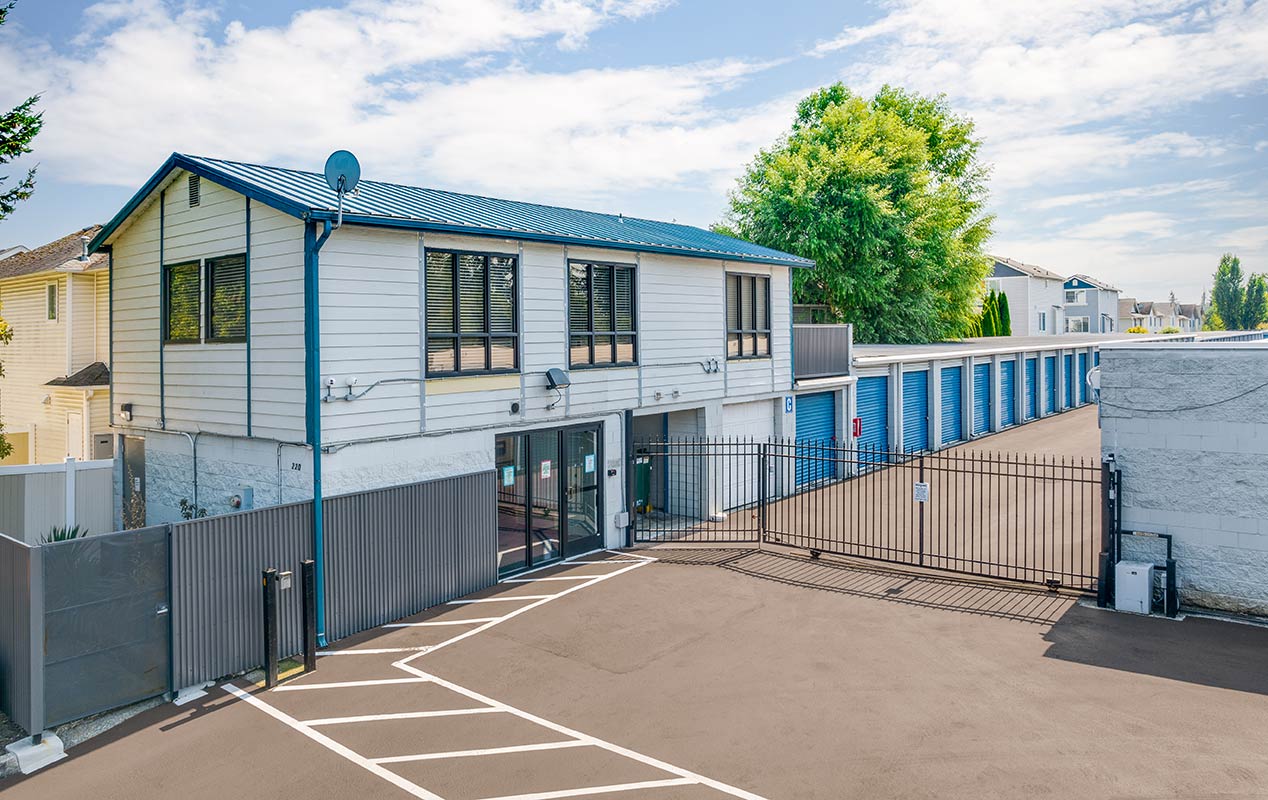
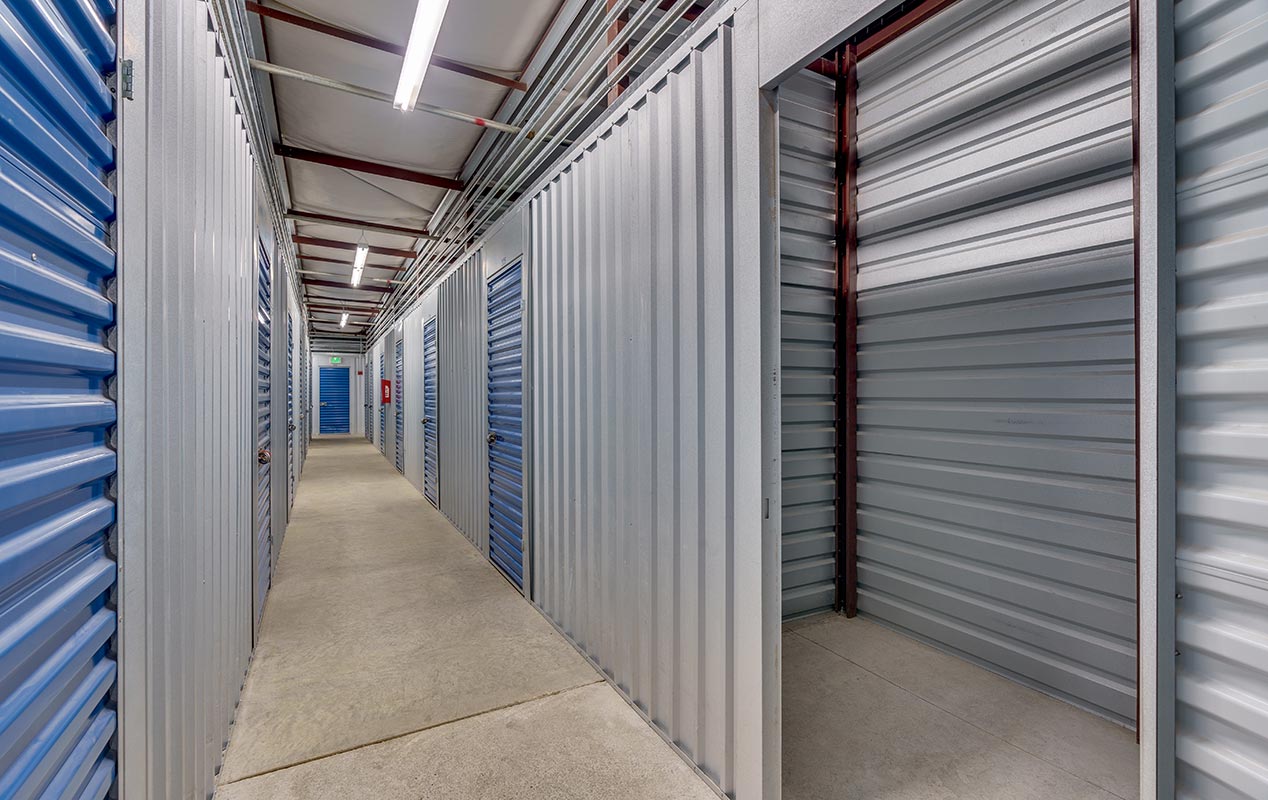
SecureSpace Self Storage Parkland Tacoma offers heated storage. Heated storage may be useful for eligible belongings customers prefer not to keep in a cold space. It is not the same as climate-controlled or humidity-controlled storage.
Before reserving, focus on the features that actually affect your move.
If you are storing furniture, boxes, household goods, or seasonal items, compare unit sizes and loading convenience. If you will visit often, access hours and location may matter more than choosing the absolute lowest rate. If you are storing a vehicle, boat, RV, or car, confirm availability, dimensions, documentation requirements, and facility rules before renting parking.
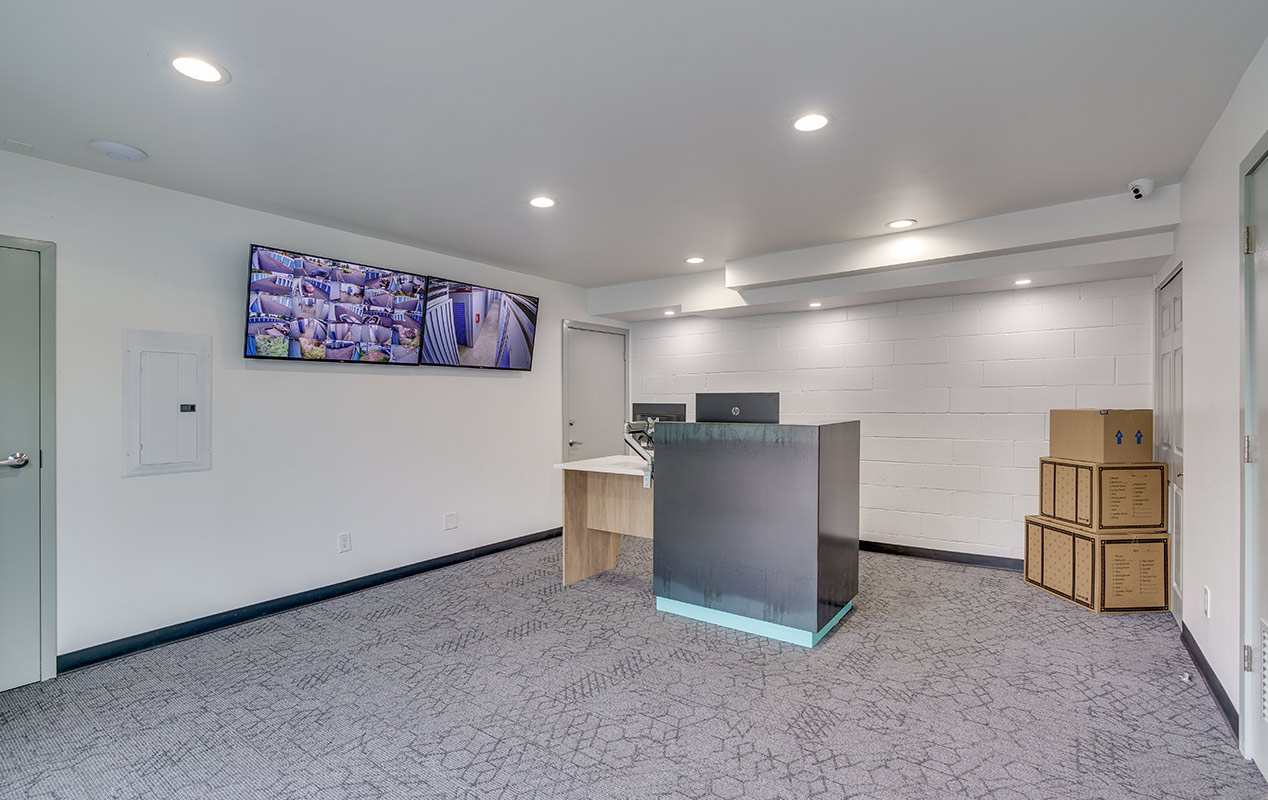
Security-related features are also worth reviewing. SecureSpace Self Storage Parkland Tacoma includes an access gate, digital video recording, logged access, overnight surveillance, and Turing-enabled monitoring. Customers should also use a quality lock, keep an inventory of stored belongings, and review coverage requirements before move-in.
Online payments and ACH or credit card payment plans are available at SecureSpace Self Storage Parkland Tacoma. Rental steps, reservation terms, promotions, and move-in details can change, so review the current terms before finalizing your plans.
Unit size is one of the easiest things to underestimate. Start by estimating your box count, measuring large furniture, and deciding whether you need a walkway inside the unit.
For smaller needs, a 5x5 or 5x10 may work for boxes, dorm items, seasonal gear, clothing, or compact belongings. A 10x10 or 10x15 may be more practical for apartment furniture, business items, or larger household overflow. For bigger moves, furniture groups, or eligible vehicle storage, compare larger options such as 10x20, 10x25, or 10x30.
If you are deciding between two sizes, think about access. A slightly larger space may make sense if you plan to retrieve items during storage, use shelving, or keep frequently needed boxes near the front.
You may not need to reserve far in advance if your timeline is flexible and any basic unit will work. But if your needs are specific, earlier planning helps.
Start sooner if you need:
A larger unit
Drive-up access
Heated storage
Outdoor parking
A specific move-in date
Storage during student move-out season
Storage during a military or residential moving timeline
Space for a renovation or home-sale project
The goal is not to panic-book. It is to give yourself enough time to compare current availability, understand the rental terms, and choose the option that fits your move.
Storage planning is easier when you know your timeline, unit size, and must-have features. Tacoma's busiest storage periods can make last-minute searches more difficult, especially for larger units or specific access types, so start comparing options once your move or project dates are set.
Before renting, review current availability, monthly rates, promotion terms, required coverage, payment options, access hours, and move-out notice rules. A few minutes of planning can help you avoid choosing the wrong unit or scrambling at the end of a move.
Ready to plan ahead? Review current options for storage units in Tacoma, WA with SecureSpace and choose a unit that fits your timing, budget, and storage needs.
Reservation and payment details can vary by facility, unit type, promotion, and current terms. Review the reservation policy, monthly rate, required coverage, and move-in charges before finalizing your rental.
Month-to-month storage can be helpful when military or housing timelines shift. If your plans change before move-in, contact the facility directly to review your reservation, rental terms, and available options.
Larger units are often popular during home moves, military relocations, renovations, and business transitions. During busier moving periods, it is smart to compare larger unit options earlier instead of assuming the exact size you want will be available later.
It depends on what you are storing and how items are packed. SecureSpace Self Storage Parkland Tacoma offers heated storage, drive-up units, and other storage options, but not climate-controlled or humidity-controlled storage. Store items clean and dry, use sturdy containers, and choose the unit type that fits your belongings and access needs.
If your timeline is flexible, you may not need to reserve far ahead. If you are moving during late spring or summer, need a larger unit, want a specific access type, or are planning around school, military, or housing dates, start comparing availability several weeks in advance when possible.
Everything you need to store your belongings securely, on your schedule.
Visit us online